Big Joe fault codes represent diagnostic signals emitted by the equipment, aiding technicians in pinpointing operational issues. These codes, often detailed in PDF documentation,
are crucial for efficient maintenance and repair, ensuring minimal downtime and optimal performance of Big Joe industrial vehicles.
What are Big Joe Fault Codes?
Big Joe fault codes are alphanumeric designations generated by the onboard computer systems of Big Joe material handling equipment. These codes serve as a critical communication method, signaling specific malfunctions or anomalies within the vehicle’s various systems. They aren’t random; each code corresponds to a defined issue, ranging from low battery voltage to complex motor or drive system failures.
Accessing and understanding these codes often requires referencing official Big Joe documentation, frequently available as PDF manuals. These PDFs detail each code’s meaning, potential causes, and recommended troubleshooting steps. Ignoring these codes can lead to escalating problems, increased repair costs, and prolonged operational disruptions. Properly interpreting these signals is fundamental for proactive maintenance and ensuring the longevity of Big Joe equipment.
Why are Big Joe Fault Codes Important?
Big Joe fault codes are paramount for maintaining operational efficiency and minimizing costly downtime. They provide a direct pathway to diagnosing issues, preventing minor problems from escalating into major repairs. Utilizing these codes, often detailed within comprehensive PDF manuals, allows technicians to quickly pinpoint the source of a malfunction, streamlining the repair process.
Ignoring fault codes can lead to further damage, impacting productivity and potentially creating safety hazards. Accessing the correct PDF documentation ensures accurate interpretation and effective troubleshooting. These PDF resources offer detailed explanations, recommended solutions, and preventative measures. Ultimately, understanding and responding to Big Joe fault codes is a proactive approach to equipment management, maximizing lifespan and return on investment.
Understanding Big Joe Equipment
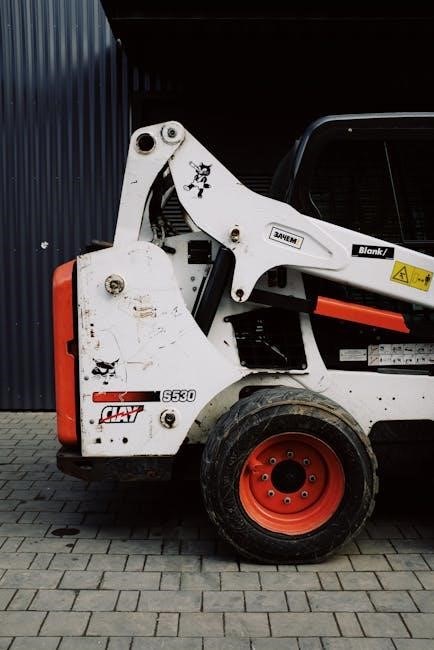
Big Joe manufactures a diverse range of material handling equipment, from pallet jacks to tractors. PDF manuals specific to each model detail fault codes, aiding in precise diagnostics and repair.
Types of Big Joe Equipment
Big Joe offers a comprehensive portfolio of material handling solutions designed for various industrial applications. Their product line encompasses electric pallet jacks, including walkie stackers and center-drive models, known for maneuverability in tight spaces. They also manufacture electric forklifts, providing lifting capabilities for heavier loads and higher stacking requirements.
Furthermore, Big Joe produces tow tractors, ideal for moving multiple carts or trailers within a facility, enhancing logistical efficiency. Specialized equipment like rough terrain forklifts caters to outdoor or uneven surface environments. Understanding the specific Big Joe equipment type is paramount when interpreting fault codes, as each model possesses unique diagnostic indicators. PDF manuals, categorized by equipment type, provide detailed code listings and troubleshooting guidance. Accessing the correct PDF is the first step in resolving any operational issue.
Common Applications of Big Joe Equipment
Big Joe equipment finds widespread use across diverse industries, streamlining material handling processes. Warehousing and distribution centers heavily rely on their pallet jacks and forklifts for efficient loading, unloading, and internal transport. Manufacturing facilities utilize Big Joe vehicles to move raw materials, work-in-progress, and finished goods throughout the production floor.
Retail environments employ these machines for stocking shelves and managing inventory. Food and beverage processing plants benefit from Big Joe’s robust and hygienic equipment options. When encountering a fault code within these applications, referencing the appropriate PDF manual is crucial. These PDF documents, specific to the equipment model and application, detail the potential causes and solutions, minimizing downtime and ensuring operational continuity. Correctly interpreting the PDF guides allows for targeted repairs.

Decoding Big Joe Fault Codes
Big Joe fault codes are alphanumeric, offering clues to system malfunctions. Detailed PDF manuals provide comprehensive decoding guides, translating these codes into specific issues and repair steps.
General Fault Code Structure
Big Joe fault codes generally follow a standardized structure, typically beginning with a letter indicating the primary system affected – for example, ‘B’ for the brake system or ‘D’ for the drive system. This initial letter is then followed by a series of numbers that pinpoint the specific fault within that system.
Understanding this structure is vital for efficient troubleshooting. PDF documentation, such as service manuals and technical bulletins, will detail this code organization. These resources explain the meaning of each letter and number combination, providing a clear pathway to diagnosing the problem. Some codes may also include additional characters indicating the severity of the fault or specific sensor readings at the time of the error.
For instance, a code like ‘B123’ might signify a specific issue with the brake pedal sensor. Accessing the relevant PDF will confirm this and outline the necessary steps for inspection and repair. Consistent code structure across Big Joe equipment simplifies the diagnostic process, even for technicians unfamiliar with a particular model.
Specific Fault Code Categories
Big Joe equipment utilizes diverse fault code categories, reflecting the complexity of its systems. Common categories include those related to the power system – encompassing battery issues, charger malfunctions, and wiring problems – detailed within PDF service guides. Drive system faults cover motor errors, controller failures, and transmission issues, often requiring specialized diagnostic tools as outlined in technical PDFs.
Brake system codes pinpoint problems with the braking mechanism, including sensor failures, solenoid issues, and hydraulic concerns. Steering and lift systems also have dedicated code sets, documented in comprehensive PDF manuals. Additionally, codes address safety features, such as emergency stop functionality and warning systems.
These categories are meticulously defined in official Big Joe PDF documentation, providing technicians with a structured approach to fault identification. Understanding these categories streamlines the troubleshooting process, allowing for targeted inspections and efficient repairs, minimizing downtime and maximizing operational efficiency;
Locating the Fault Code Display
The location of the fault code display on Big Joe equipment varies depending on the model. Typically, the display is integrated into the operator’s control panel, often a digital screen showing alphanumeric codes. Referencing the specific model’s PDF manual is crucial for precise location identification, as older models may utilize simpler LED-based displays.
Some Big Joe vehicles feature diagnostic ports compatible with external scan tools, allowing technicians to retrieve codes directly via a connected device. The PDF documentation details the port’s location and the necessary software for data extraction. It’s important to note that accessing certain codes may require a specific authorization level or diagnostic key, as described in the PDF guides.
Always consult the relevant PDF manual for your specific Big Joe model to accurately locate the fault code display and understand its operation. This ensures correct code retrieval and efficient troubleshooting.

Troubleshooting Common Big Joe Fault Codes
PDF manuals provide detailed troubleshooting steps for each fault code, guiding technicians through diagnostic procedures and repair solutions for Big Joe equipment.
Fault Code: Low Battery
Fault Code Description: A “Low Battery” fault code on Big Joe equipment indicates insufficient voltage from the battery pack, hindering optimal operation. This commonly arises from extended use without recharging, an aging battery nearing end-of-life, or a faulty charging system. PDF documentation details specific voltage thresholds triggering this code.
Troubleshooting Steps (Refer to PDF): First, verify the battery’s charge level using a voltmeter. If low, connect the charger and allow a full charge cycle. Consult the Big Joe PDF manual for recommended charging procedures and times. If the battery consistently fails to hold a charge, or the voltage remains low even after charging, the battery may require replacement. The PDF will outline battery specifications for proper replacement. Inspect the charging system – charger, wiring, and connections – for damage or corrosion, referencing diagrams within the PDF.
Potential Causes: Aging battery, improper charging, damaged charger, loose connections, parasitic drain.
Fault Code: Motor Overload
Fault Code Description: A “Motor Overload” fault code signals that the Big Joe equipment’s drive or lift motor has exceeded its safe operating limits. This typically results from excessive load, prolonged operation under heavy strain, or a potential motor malfunction. Detailed explanations and specific overload current values are found within the Big Joe equipment’s PDF manual.
Troubleshooting Steps (Refer to PDF): Immediately reduce the load being carried or lifted. Review the PDF documentation to confirm the maximum load capacity for the specific Big Joe model. Check for obstructions hindering motor operation. If the overload persists with a normal load, inspect the motor for damage, referencing the exploded diagrams in the PDF. The PDF will also detail how to check motor brushes (if applicable) and wiring connections.
Potential Causes: Overloading, obstructions, motor failure, faulty motor controller.

Fault Code: Brake System Error
Fault Code Description: A “Brake System Error” indicates a malfunction within the braking mechanism of the Big Joe equipment. This could range from low brake fluid levels to a failed brake solenoid or worn brake pads. Comprehensive diagnostic flowcharts and detailed component locations are available in the official Big Joe PDF manuals.
Troubleshooting Steps (Refer to PDF): First, consult the PDF to identify the specific error sub-code (if any). Check brake fluid levels and inspect for leaks, referencing the diagrams in the PDF. Examine brake pad wear and replace if necessary, following the PDF’s instructions. Verify proper solenoid operation using a multimeter, as outlined in the PDF.
Potential Causes: Low brake fluid, brake pad wear, faulty solenoid, damaged brake lines, or a malfunctioning brake controller. The PDF provides specific resistance values for testing components.
Fault Code: Drive System Malfunction
Fault Code Description: A “Drive System Malfunction” signifies an issue impacting the vehicle’s movement. This encompasses problems with the motor, controller, drive tire, or associated wiring. Detailed troubleshooting steps and wiring schematics are readily accessible within the official Big Joe equipment PDF documentation.
Troubleshooting Steps (Refer to PDF): Begin by consulting the PDF for specific sub-codes. Inspect drive tire condition and ensure proper inflation. Verify motor connections and wiring integrity, utilizing the PDF’s diagrams. Test the motor controller output voltage, referencing the PDF’s specified values.

Potential Causes: Worn drive tire, loose wiring connections, faulty motor, defective motor controller, or a damaged drive system sensor. The Big Joe PDF manuals offer precise testing procedures for each component, ensuring accurate diagnosis and repair.

Accessing Big Joe Fault Code PDFs
Big Joe fault code PDFs are vital for diagnostics; access official documentation through the manufacturer’s website or authorized dealers for comprehensive repair guides.
Official Big Joe Documentation
Big Joe’s official website serves as the primary repository for comprehensive fault code information, typically available as downloadable PDF manuals. These documents are meticulously crafted by the manufacturer, offering the most accurate and detailed explanations of each error code. They often include troubleshooting steps, wiring diagrams, and component locations, empowering technicians to efficiently diagnose and resolve issues.
Accessing these resources usually requires registration, creating a user account to verify authorized access. The PDFs are often categorized by equipment model and year of manufacture, ensuring you retrieve the correct documentation for your specific Big Joe unit. Beyond fault codes, these manuals contain vital information regarding preventative maintenance schedules, safety guidelines, and parts lists, contributing to the longevity and reliable operation of the equipment. Always prioritize official documentation for the most dependable and up-to-date information.
Third-Party Resources for Fault Codes
While official Big Joe documentation remains the gold standard, several third-party resources can supplement your search for PDF-based fault code information. Online forums dedicated to material handling equipment often host user-shared diagnostic experiences and code interpretations. These communities can provide practical insights and alternative troubleshooting approaches, though verifying accuracy is crucial.
Various industrial equipment repair websites may also compile fault code lists, sometimes offering downloadable PDF guides. However, exercise caution as the information’s reliability can vary significantly. Always cross-reference findings with official sources whenever possible. Furthermore, some equipment dealerships or independent repair shops might offer access to proprietary fault code databases or PDFs for a fee. Remember to prioritize safety and consult qualified technicians when dealing with complex repairs, regardless of the information source.
Interpreting PDF Documents
When utilizing Big Joe fault code PDFs, understanding the document’s structure is key. Most PDFs categorize codes by system – drive, brakes, battery, etc. – facilitating targeted troubleshooting. Pay close attention to the code’s description, potential causes, and recommended solutions. Diagrams and wiring schematics are often included, aiding in component identification and repair.

Look for sections detailing error hierarchies; some codes indicate primary failures, while others signal secondary issues. Note any specific testing procedures outlined, including voltage checks or sensor readings. Always verify the PDF’s applicability to your specific Big Joe model and serial number, as codes can vary. Prioritize safety precautions detailed within the document and consult a qualified technician if unsure about any repair procedure. Careful interpretation minimizes misdiagnosis and ensures effective resolution.

Preventative Maintenance to Avoid Fault Codes
Regular maintenance, guided by Big Joe’s PDF resources, proactively addresses potential issues. Consistent inspections and scheduled servicing minimize fault code occurrences, extending equipment lifespan.
Regular Inspection Checklist
A comprehensive inspection checklist, often found within the Big Joe equipment’s PDF manuals, is paramount for preventative maintenance. Begin with a visual assessment of all wiring harnesses, searching for fraying or loose connections – a common cause of fault codes. Next, meticulously examine the tires for wear and proper inflation, as under-inflation can trigger drive system errors.
Brake functionality should be tested routinely, ensuring responsive and consistent stopping power. Inspect brake pads for wear and check fluid levels if applicable. The battery, a frequent culprit behind fault codes, requires regular voltage checks and terminal cleaning. Furthermore, scrutinize the forklift’s hydraulic system for leaks or unusual noises.
Don’t overlook the drive motor and associated components; listen for abnormal sounds during operation. Finally, consult the PDF documentation for specific inspection points related to your Big Joe model, ensuring a thorough and effective preventative maintenance routine.
Scheduled Maintenance Procedures
Following the scheduled maintenance procedures outlined in the Big Joe equipment’s PDF documentation is vital for minimizing fault codes and maximizing operational lifespan. These procedures typically involve periodic lubrication of all moving parts, reducing friction and preventing wear. Filter replacements – air, hydraulic, and fuel (if applicable) – are crucial for maintaining system efficiency and preventing contamination.
Regularly torque all fasteners to the manufacturer’s specifications, ensuring structural integrity and preventing component failure. Inspect and adjust drive chains or belts, maintaining proper tension for optimal power transfer. Battery maintenance, including equalization charging and terminal protection, extends battery life and reduces the likelihood of low-battery fault codes.
The PDF manuals will detail specific intervals for each procedure, tailored to your Big Joe model and usage intensity. Adhering to this schedule proactively addresses potential issues before they escalate into costly repairs and downtime.
Importance of Proper Charging
Maintaining proper battery charging habits is paramount in preventing numerous Big Joe fault codes, as detailed within the equipment’s PDF manuals. Incorrect charging practices significantly reduce battery lifespan and can lead to frequent low-battery warnings or complete system failures. Always utilize a charger specifically designed for the battery type used in your Big Joe equipment – typically lead-acid or lithium-ion.
Avoid undercharging or overcharging, as both can cause irreversible damage. The PDF documentation will specify the correct charging voltage and amperage. Equalization charging, a periodic deep discharge followed by a full charge, helps prevent sulfation in lead-acid batteries.
Ensure proper ventilation during charging to dissipate heat and prevent the buildup of explosive gases. Regularly inspect battery terminals for corrosion and clean them as needed. Following these guidelines, as outlined in the PDF, ensures reliable operation and minimizes costly downtime.