Mens Jeans Fit Guide: A Comprehensive Overview (Updated 01/22/2026)
Navigating the world of mens jeans requires understanding diverse fits, washes, and brands; this guide simplifies the process for optimal style and comfort.
Choosing the right jeans fit is paramount for both style and comfort, yet the sheer variety can be overwhelming. From the tightly-fitted skinny jean to the relaxed ease of a wider cut, understanding the nuances of each fit is crucial. This guide aims to demystify the process, offering a comprehensive overview of available options.
Originally designed in 1873 by Levi Strauss as durable workwear, jeans have evolved into a fashion staple. Today, they cater to diverse preferences and body types. The key lies in recognizing how different fits complement individual builds and desired aesthetics. Whether prioritizing a modern, streamlined silhouette or a classic, comfortable feel, the perfect jean fit awaits discovery.
We’ll explore the defining characteristics of each style, helping you confidently navigate the denim landscape and find jeans that truly fit your lifestyle.
A Brief History of Jeans
The story of jeans begins in 1873 with Levi Strauss and Jacob Davis, who patented reinforced work pants for laborers. Initially crafted from durable denim, these “waist overalls” were designed for practicality, catering to miners and railroad workers needing robust clothing. This marked the birth of what would become a global fashion icon.
Over the decades, jeans transitioned from workwear to mainstream fashion. The mid-20th century saw jeans embraced by youth culture, symbolizing rebellion and individuality. Different fits began to emerge, reflecting evolving style preferences; The introduction of various washes and finishes further expanded the appeal.
Today, jeans represent a versatile canvas for personal expression, with countless styles available. From their humble beginnings as work pants, jeans have become a cornerstone of modern wardrobes, continually adapting to contemporary trends.
Understanding Key Fit Terminology
Decoding jeans terminology is crucial for finding the perfect fit. “Rise” refers to the distance from the crotch to the top of the waistband – low, mid, and high rise are common options. “Wash” describes the color and treatment of the denim, ranging from raw (untreated) to heavily distressed.

“Taper” indicates how much the leg narrows from the knee to the ankle. A significant taper creates a more modern silhouette. “Stretch” denotes the presence of elastane or spandex, enhancing comfort and flexibility. Understanding these terms allows for a more informed shopping experience.
Furthermore, terms like “regular fit” often imply a consistent width throughout the leg, while “slim fit” suggests a closer, more tailored appearance. Knowing these distinctions empowers you to select jeans that complement your body type and style preferences.

Common Mens Jeans Fits
Exploring popular styles reveals options like skinny, slim, straight, relaxed, bootcut, and tapered fits, each offering a unique silhouette and level of comfort.
Skinny Jeans: The Modern, Tight Fit
Skinny jeans represent a contemporary style, characterized by a close-fitting silhouette throughout the leg, from hip to ankle; These jeans are typically crafted with stretch denim to allow for movement and comfort despite the tight fit. Originally popularized in the early 2000s, they remain a staple for those seeking a modern, streamlined look.
However, achieving the right look with skinny jeans requires careful consideration. They generally suit slimmer body types best, but can be paired with looser-fitting tops to balance the silhouette; Distressed details, like rips and fading, are common features, adding a touch of edge. While fashionable, comfort can be a concern for some, making stretch content crucial. They are a bold statement, offering a distinctly modern aesthetic.
Slim Fit Jeans: A Versatile Choice
Slim fit jeans strike a balance between modern style and classic comfort, making them an incredibly versatile denim option. They are designed to be closer-fitting than traditional straight-leg jeans, but not as tight as skinny jeans, offering a streamlined silhouette without feeling restrictive. This fit typically features a narrower leg opening, creating a clean and polished appearance.
Suitable for a wide range of body types, slim fit jeans can be dressed up or down with ease. They pair well with both t-shirts and button-down shirts, and can be worn with various footwear, from sneakers to boots. A slim fit is often considered a foundational piece in a modern man’s wardrobe, offering a comfortable and stylish alternative to more extreme fits. They are a reliable choice for everyday wear.
Straight Fit Jeans: The Classic Look
Straight fit jeans represent a timeless and universally flattering style, remaining a cornerstone of men’s denim for decades. Characterized by a consistent width from the hip to the ankle, they offer a clean, uncomplicated silhouette that doesn’t hug the legs too tightly or feel overly loose. This classic cut provides a balanced and comfortable fit suitable for various body types and occasions.
The appeal of straight-leg jeans lies in their versatility. They can be effortlessly paired with anything from casual t-shirts and sneakers to more refined button-down shirts and leather boots. This makes them ideal for both everyday wear and slightly more dressed-up settings. Straight fit jeans offer a reliable and stylish foundation for any wardrobe, embodying a sense of understated cool.
Relaxed Fit Jeans: Comfort and Ease
Relaxed fit jeans prioritize comfort without sacrificing style, offering ample room through the seat and thigh for unrestricted movement. Unlike slimmer cuts, these jeans aren’t designed to cling to the body, providing a looser, more forgiving silhouette. This makes them an excellent choice for those who value ease and a casual aesthetic.
The extra room in relaxed fit jeans makes them particularly well-suited for warmer weather or for individuals who prefer a less restrictive feel. They pair well with casual tops like t-shirts or henleys, and can be styled with sneakers or work boots for a laid-back look. While not as traditionally ‘fashion-forward’ as some other fits, relaxed jeans offer a timeless appeal and enduring comfort.
Bootcut Jeans: Designed for Boots
Bootcut jeans are characterized by a slight flare from the knee down, specifically designed to accommodate boots – hence the name. This subtle widening balances the proportions when wearing boots, preventing the jeans from being swallowed by the boot shaft. They offer a classic, versatile look that bridges the gap between traditional and modern styles.
While originally intended for practical purposes, bootcut jeans have become a staple in many wardrobes. They typically have a comfortable fit through the seat and thigh, making them suitable for various body types. Pairing bootcut jeans with boots is ideal, but they also work well with leather shoes or even sneakers for a more relaxed vibe. They provide a timeless silhouette and a touch of ruggedness.
Tapered Fit Jeans: A Modern Take on Classic Styles
Tapered fit jeans represent a contemporary evolution of traditional denim silhouettes. They offer a streamlined look, fitting relatively close through the seat and thigh before gradually narrowing from the knee to the ankle. This creates a clean, modern aesthetic that’s neither overly tight like skinny jeans nor excessively loose like relaxed fits.
The taper provides a balanced profile, making them incredibly versatile. They work well with a variety of footwear, from sneakers and loafers to boots. Tapered jeans are flattering on many body types, offering a comfortable yet stylish option. They’re a great choice for those seeking a modern, refined look without sacrificing comfort or ease of movement, blending classic denim appeal with contemporary fashion sensibilities.
Factors to Consider When Choosing a Fit
Selecting the ideal jeans fit hinges on body type, desired comfort, and personal style; rise, inseam, and fabric also significantly influence the overall look.
Body Type and Jeans Fit
Choosing jeans that complement your body type is crucial for a flattering silhouette. For athletic builds, slim or straight fits balance muscular legs, avoiding excessive tightness or bagginess. Slim builds benefit from slim or tapered fits, adding visual weight and structure. Avoid overly loose fits that can appear disproportionate.
Larger builds should opt for relaxed or straight fits, providing comfort and a balanced appearance. Avoid skinny jeans, which can accentuate size. Consider a mid-rise waist for comfort and a cleaner look. Proper fit enhances confidence and style, regardless of body shape. Prioritize comfort and a fit that allows for movement.
Jeans for Athletic Builds
Men with athletic builds typically have broader shoulders and well-developed legs. The key is to find jeans that accommodate this physique without appearing overly tight or restrictive. Slim-fit jeans are often an excellent choice, providing a modern look while allowing for movement. A straight-fit also works well, offering a classic silhouette that balances proportions.
Avoid skinny jeans, as they can constrict leg muscles and appear disproportionate. Look for jeans with a bit of stretch for added comfort and flexibility. A mid-rise waist is generally flattering, while avoiding excessively low or high rises. Prioritize fabrics that move with your body, enhancing both comfort and style.
Jeans for Slim Builds
For men with a slimmer build, the goal is to add some visual bulk and avoid looking too thin. Straight-fit and relaxed-fit jeans are excellent options, providing a more substantial silhouette. A tapered fit can also work well, offering a modern look while adding some shape to the legs.
Avoid overly skinny jeans, as they can emphasize a lack of muscle mass. Consider jeans with a slightly higher rise to create the illusion of longer legs. Details like whiskering and fading can add visual interest and dimension. Fabrics with a bit of weight can also help create a fuller look. Experiment with different washes to find what best complements your build.
Jeans for Larger Builds
Men with larger builds should prioritize comfort and a flattering fit. Straight-fit and relaxed-fit jeans are generally the most comfortable and balanced choices, offering ample room without appearing overly baggy. Avoid skinny jeans, as they can be restrictive and unflattering. A tapered fit can also work, providing some shape while still allowing for movement.
Opt for a mid-rise or higher rise to provide support and prevent discomfort. Darker washes tend to be more slimming, while avoiding excessive detailing or distressing. Ensure the jeans aren’t too tight in the waist or thighs. Prioritize quality fabrics with a bit of stretch for added comfort and flexibility. Proper fit is key – avoid anything too constricting.
Waist Height: Rise Explained
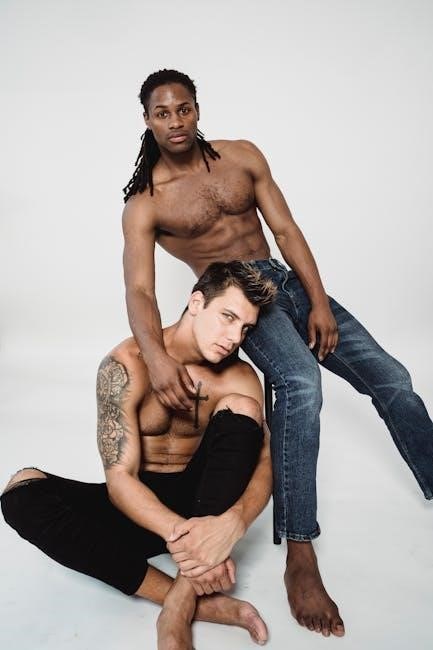
Jeans rise refers to the distance from the crotch seam to the top of the waistband. Low-rise jeans sit below the natural waist, offering a more casual, sometimes revealing look – less common now. Mid-rise jeans, the most versatile option, sit at or slightly below the natural waist, suiting most body types.
High-rise jeans sit above the natural waist, providing a secure and comfortable fit, often elongating the legs. They’re particularly flattering for larger builds. Rise impacts comfort and how the jeans sit with your torso. Consider your body shape and personal preference when choosing. Higher rises offer more coverage and support, while lower rises are more fashion-forward but potentially less comfortable.
Inseam Length: Finding the Right Length
Inseam measures the distance from the crotch seam to the bottom hem of the jeans. Accurate measurement is crucial for a flattering fit. To measure, stand straight and use a flexible tape measure, noting the length from your crotch down to where you want the jeans to end on your shoe.
Common inseam lengths range from 30 to 34 inches, but vary based on height and desired style. Shorter inseams (30-32″) work well with slimmer builds or for a cropped look. Longer inseams (32-34″) suit taller individuals or those preferring a stacked appearance with boots. Consider the shoes you’ll typically wear with the jeans when determining the ideal inseam length for a polished and proportional silhouette.
Wash and Fabric: Impact on Fit and Style
Jeans’ wash and fabric significantly influence both fit and overall aesthetic. Raw denim, untreated, offers a rigid fit that molds to your body over time, often shrinking slightly with wear; Pre-washed denim provides a softer, more comfortable fit from the start, with minimal shrinkage.
Dark washes generally appear more formal and can create a slimmer silhouette. Lighter washes offer a more casual vibe. Stretch denim, incorporating elastane or spandex, enhances comfort and allows for a closer fit without restricting movement. Heavier weight denim (12oz+) tends to hold its shape better, while lighter weights (under 10oz) are more breathable and drape more easily. Fabric composition impacts how the jeans will stretch, shrink, and feel.
Popular Jeans Brands and Their Fits
Exploring renowned denim brands like Levi’s and Stone Island reveals diverse fits, catering to varied preferences and body types for stylish, quality jeans.
Levi’s: A Legacy of Denim
Levi’s stands as an iconic cornerstone in denim history, originating in 1873 with a focus on durable workwear. Over decades, they’ve evolved, offering a vast spectrum of fits for modern men. Their 501 Original Fit remains a timeless classic – a straight leg suitable for nearly any body type.
For a contemporary silhouette, Levi’s Slim Fit provides a streamlined look without being overly restrictive. Those seeking a closer fit will appreciate their Skinny jeans, while the Relaxed Fit offers enhanced comfort and room for movement. Levi’s also provides bootcut options, designed to accommodate boots comfortably.
Beyond fit, Levi’s excels in washes, from raw denim to pre-distressed styles, allowing for personalized expression. Their commitment to quality and enduring style solidifies their position as a leading denim brand, consistently innovating while honoring their heritage.
Stone Island: Premium Denim Options
Stone Island distinguishes itself within the denim landscape through a dedication to innovative fabrics and meticulous craftsmanship. While often recognized for outerwear, their denim offerings represent a premium investment in style and durability. Expect to find unique washes and treatments, often incorporating their signature garment dyeing techniques.
Stone Island frequently features slim and tapered fits, catering to a modern aesthetic. Their jeans aren’t solely about the cut; the fabric itself is a key component, utilizing high-quality cottons and often incorporating technical elements. This results in denim that feels substantial and ages beautifully.
Though a higher price point, Stone Island jeans deliver exceptional value through longevity and distinctive design. They appeal to those seeking a sophisticated, understated look, prioritizing quality and innovation over fleeting trends. Expect a refined, contemporary take on classic denim styles.
Other Notable Jeans Brands
Beyond Levi’s and Stone Island, numerous brands offer compelling denim options. Nudie Jeans, a Swedish brand, champions sustainability with organic cotton and repair services, focusing on raw and pre-washed denim in classic fits. A.P.C. (Atelier de Production et de Création) delivers minimalist French style, known for its clean lines and high-quality materials, particularly their slim-fit options.

Todd Snyder blends American heritage with modern tailoring, offering refined denim with a focus on fit and fabric. AG Jeans (Adriano Goldschmied) provides a wide range of washes and fits, emphasizing comfort and contemporary style. These brands cater to diverse preferences, from rugged workwear-inspired looks to sleek, urban aesthetics.
Exploring these alternatives expands your choices, allowing you to discover denim that perfectly aligns with your personal style and budget. Each brand brings a unique perspective to denim design, offering quality and individuality.
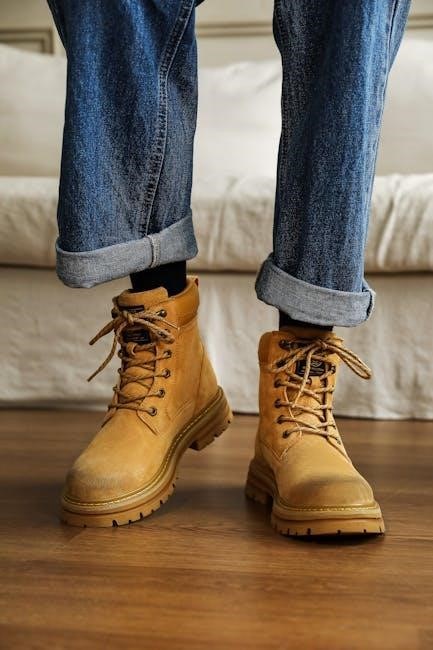
Measuring for the Perfect Fit
Accurate measurements of your waist and inseam are crucial for finding jeans that fit impeccably, ensuring both comfort and a flattering silhouette.
How to Measure Your Waist
To accurately measure your waist for jeans, use a flexible measuring tape. Stand relaxed, ensuring your stomach isn’t protruding or sucked in. Position the tape around your natural waistline – typically, this is about an inch above your belly button, or where you naturally bend when standing.
Keep the tape comfortably snug, not too tight, and parallel to the floor. Exhale normally and record the measurement. It’s best to measure over a lightweight shirt to get a more accurate representation of how jeans will fit. Avoid measuring over bulky clothing like sweaters or jackets.

Double-check your measurement to ensure accuracy. Many brands offer size charts based on waist measurements, so knowing your precise size is essential for a comfortable and well-fitting pair of jeans. Remember, waist sizes can vary slightly between brands.
How to Measure Your Inseam
Accurately measuring your inseam is crucial for achieving the correct jeans length. The easiest method requires a pair of well-fitting pants and a measuring tape. Lay the pants flat on a smooth surface.
Measure along the inner seam, from the crotch (where the legs meet) down to the bottom hem. Ensure the tape measure is straight and taut. This measurement represents your inseam length.
Alternatively, you can measure from your crotch to the floor while wearing shoes. Have a friend assist for accuracy. This method provides the total inseam needed, accounting for shoe height. Subtract the shoe height to get the inseam for jeans. Remember to consider break – the amount of fabric that rests on your shoes.