Understanding Trigger Thumb
Trigger thumb, affecting tendons bending the thumb, can cause pain and limited movement; PDF resources from University Hospitals Plymouth NHS Trust detail exercise protocols․
Patient guides emphasize consistent exercise for flexibility, while self-care techniques like massage offer relief, as outlined in downloadable PDF leaflets․
What is Trigger Thumb?
Trigger thumb, also known as stenosing tenosynovitis, impacts the tendon responsible for bending the thumb․ This condition causes a finger or thumb to catch or lock when bent or straightened, often accompanied by pain at the base of the thumb․ PDF resources, like those from University Hospitals Plymouth NHS Trust, explain this irritation interferes with smooth tendon movement․
It can affect anyone, from infants to the elderly, and is more common in women․ Certain conditions, such as diabetes and rheumatoid arthritis, can heighten the risk․ Patient guides available as PDF downloads detail how the tendon sheath narrows, restricting the tendon’s glide․ Consistent exercises, detailed in these PDFs, aim to restore this smooth movement and alleviate discomfort․
Causes and Risk Factors
The exact cause of trigger thumb isn’t always clear, but it often stems from repetitive hand motions or forceful gripping․ Inflammation of the tendon sheath, narrowing the space for the tendon to move, is a key factor․ PDF patient guides highlight how repetitive actions can exacerbate this․
Certain factors increase risk, including repetitive gripping, forceful hand use, and underlying health conditions like diabetes, rheumatoid arthritis, and gout․ These are detailed in downloadable PDF resources․ While exercises detailed in PDFs won’t eliminate underlying conditions, they can manage symptoms․ Age also plays a role, with increased incidence in older adults, as explained in available PDF information․
Symptoms of Trigger Thumb
Trigger thumb presents with a range of symptoms, starting with discomfort at the base of the thumb․ A noticeable clicking or popping sensation when bending or straightening the thumb is common, often described as a “triggering” feeling․ This is detailed in PDF patient information leaflets․
The thumb may become locked in a bent position, requiring manual straightening․ Pain can radiate up the thumb and into the palm․ PDF resources from University Hospitals Plymouth NHS Trust emphasize early intervention․ While exercises, as outlined in PDF guides, won’t cure the condition, they can alleviate symptoms and improve thumb function, preventing further locking․
Diagnosis of Trigger Thumb
Diagnosis involves a physical exam and medical history review; PDF resources detail self-assessment, while exercises, found in PDF guides, aid symptom tracking․
Physical Examination
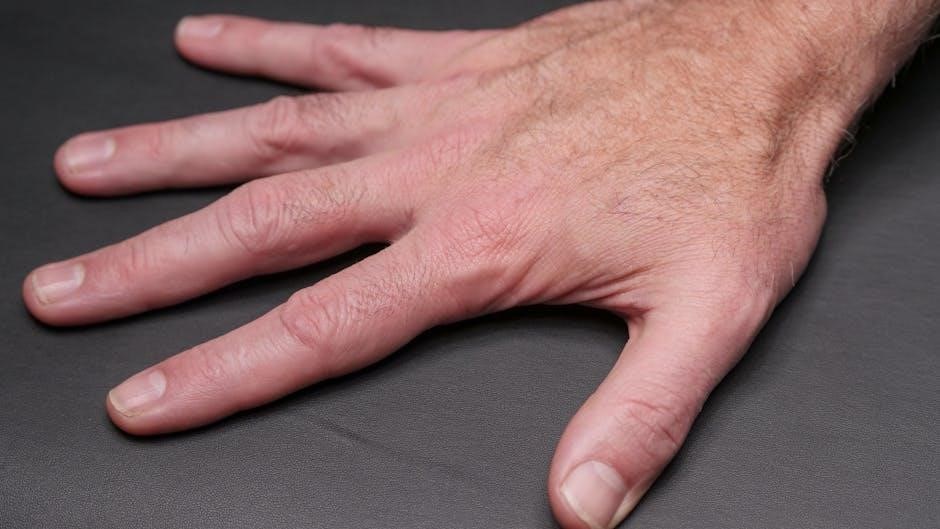
A thorough physical examination is crucial for diagnosing trigger thumb, assessing the range of motion and identifying the location of tenderness․ The healthcare professional will observe the thumb’s movement, specifically noting any locking, catching, or popping sensations during flexion and extension․
Palpation, or gentle feeling, of the thumb’s base helps pinpoint areas of inflammation or a palpable nodule on the tendon․ PDF resources, like those from University Hospitals Plymouth NHS Trust, often complement this examination by providing visual guides to understand the affected anatomy․
While the exam doesn’t directly involve performing exercises, understanding the limitations revealed during the assessment informs the selection of appropriate exercises detailed in PDF patient information leaflets, tailoring the rehabilitation plan to the individual’s specific needs․
Medical History Review
A comprehensive medical history review is essential alongside the physical exam when diagnosing trigger thumb․ The healthcare provider will inquire about the onset and progression of symptoms, any previous injuries, and aggravating factors․ Crucially, they’ll assess for underlying conditions like diabetes or rheumatoid arthritis, known to increase risk or worsen the condition․
Understanding the patient’s daily activities and hand use helps identify potential contributing factors․ PDF patient guides often highlight these risk factors․ While the history doesn’t directly involve exercises, it informs the overall treatment plan, including the suitability and intensity of exercises outlined in downloadable PDF resources․
This review ensures a holistic approach, considering individual circumstances before recommending specific exercise protocols․

Non-Surgical Treatment Options
Non-surgical approaches, like splinting and corticosteroid injections, often precede exercise therapy; PDF guides from NHS Trusts detail specific exercises for symptom relief․
Splinting for Trigger Thumb
Splinting is a foundational non-surgical treatment, often recommended for initial management of trigger thumb, as detailed in patient information leaflets available as PDF downloads․
These PDF resources, such as those from University Hospitals Plymouth NHS Trust, advise wearing a splint, particularly at night, to immobilize the thumb and reduce tendon irritation․
The splint’s purpose is to allow the inflamed tendon to rest and reduce the locking or catching sensation; While splinting provides support, it’s frequently combined with exercise protocols outlined in the same PDF guides․
Consistent use, alongside targeted exercises, maximizes the benefits, promoting healing and restoring thumb function․ Splinting prepares the thumb for more active rehabilitation․
Corticosteroid Injections
Corticosteroid injections offer a temporary solution for trigger thumb symptoms, reducing inflammation around the affected tendon, as explained in available PDF patient guides․
These PDF resources detail how injections can alleviate pain and improve thumb movement, but they aren’t a long-term fix and are often used in conjunction with rehabilitation․
Following an injection, a carefully planned exercise program, detailed in downloadable PDF leaflets from sources like University Hospitals Plymouth NHS Trust, is crucial․
Gentle exercises help restore range of motion and prevent stiffness, maximizing the injection’s benefits․ It’s vital to follow the prescribed exercise routine to maintain improvement․

Exercises for Trigger Thumb
PDF guides from NHS Trusts detail exercises – gentle stretching, thumb extensions, and tendon gliding – to improve flexibility and alleviate trigger thumb discomfort․
Consistent exercise, as outlined in PDF resources, is essential for optimal results and restoring full thumb function․
Gentle Stretching Exercises
PDF patient information leaflets, such as those from University Hospitals Plymouth NHS Trust, emphasize gentle stretching as a cornerstone of trigger thumb management․ These exercises aim to improve tendon gliding and reduce inflammation․ Begin by slowly extending your thumb away from your palm, holding for a few seconds, then gently bending it back towards your palm․
Repeat this motion several times․ Another beneficial stretch involves making a fist, then slowly extending your fingers and thumb outwards․ PDF guides often recommend performing these stretches multiple times daily, focusing on pain-free movement․ Avoid forcing the thumb into positions that cause significant discomfort․ Consistency is key to achieving positive results, as detailed in downloadable exercise protocols․
Remember to consult the PDF for specific repetition counts and durations․
Thumb Extension Exercises
PDF resources from sources like University Hospitals Plymouth NHS Trust detail thumb extension exercises crucial for restoring range of motion․ Begin by placing your hand flat on a table, palm down․ Gently lift your thumb upwards and away from your hand, keeping other fingers relaxed․ Hold this extended position for several seconds, feeling a gentle stretch․
Slowly lower your thumb back to the starting position․ Repeat this movement multiple times․ PDF guides often suggest using your other hand to provide gentle assistance, carefully guiding the thumb through its range of motion․ Avoid any forceful movements that exacerbate pain․ Consistent performance, as outlined in downloadable exercise plans, is vital for improvement․
Refer to the PDF for precise repetition guidelines․
Thumb Flexion Exercises
PDF guides from institutions like University Hospitals Plymouth NHS Trust emphasize thumb flexion exercises to improve bending ability․ Start with your hand flat, palm up․ Gently bend your thumb inwards towards your palm, creating a curved shape․ Hold this flexed position for a few seconds, noticing a stretch along the thumb’s base․
Slowly return your thumb to the straight, starting position․ Repeat this bending motion several times․ PDF resources often recommend using your other hand to gently assist the movement, ensuring a controlled and pain-free range of motion․ Avoid forcing the bend if resistance is felt․ Consistent practice, following the PDF’s recommended frequency, is key․
Downloadable PDFs provide detailed repetition instructions․
Finger Opposition Exercises
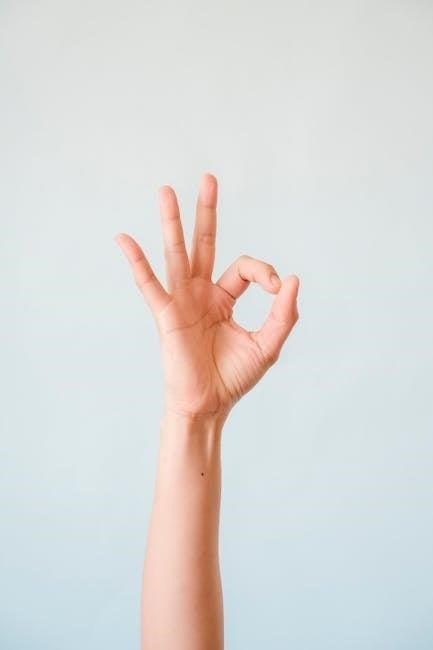
PDF resources, such as those from University Hospitals Plymouth NHS Trust, detail finger opposition exercises to enhance thumb function․ Begin with your hand open, palm facing upwards․ Touch the tip of your thumb to the tip of each finger, one at a time, forming an “O” shape․
Hold each thumb-to-finger contact briefly, feeling a gentle stretch in the thumb’s muscles․ Repeat this sequence several times․ PDF guides often suggest using your other hand to gently guide the thumb if needed, ensuring a controlled movement․ These exercises improve dexterity and range of motion․ Consistent practice, as outlined in the PDF, is crucial for recovery․
Refer to PDFs for specific repetition guidelines․
Tendon Gliding Exercises
PDF guides from sources like University Hospitals Plymouth NHS Trust emphasize tendon gliding exercises for trigger thumb․ These movements aim to improve tendon movement within its sheath․ Start with your hand flat, then slowly bend your fingers into a hook position․ Next, make a full fist, then straighten your fingers fully․
Repeat this sequence, moving through the full range of motion․ PDF resources often illustrate these steps․ Gentle, controlled movements are key; avoid forcing the motion․ These exercises help prevent the tendon from sticking․ Consistent practice, as detailed in the PDF, is vital for reducing locking and pain․
Consult PDFs for recommended repetitions․
Active Range of Motion Exercises
PDF patient guides highlight active range of motion exercises as crucial for trigger thumb recovery․ These involve self-directed movements, unlike passive stretches․ Begin by gently bending and straightening your thumb, focusing on a full, pain-free arc․ Slowly move your thumb across your palm, towards your little finger, and then back․
University Hospitals Plymouth NHS Trust PDFs often detail specific angles and repetitions․ These exercises strengthen surrounding muscles and improve joint flexibility․ Remember to perform movements slowly and deliberately, avoiding any sharp pain․ Consistent practice, guided by PDF instructions, is key to restoring function․
Refer to PDFs for personalized guidance․
Specific Exercise Protocols
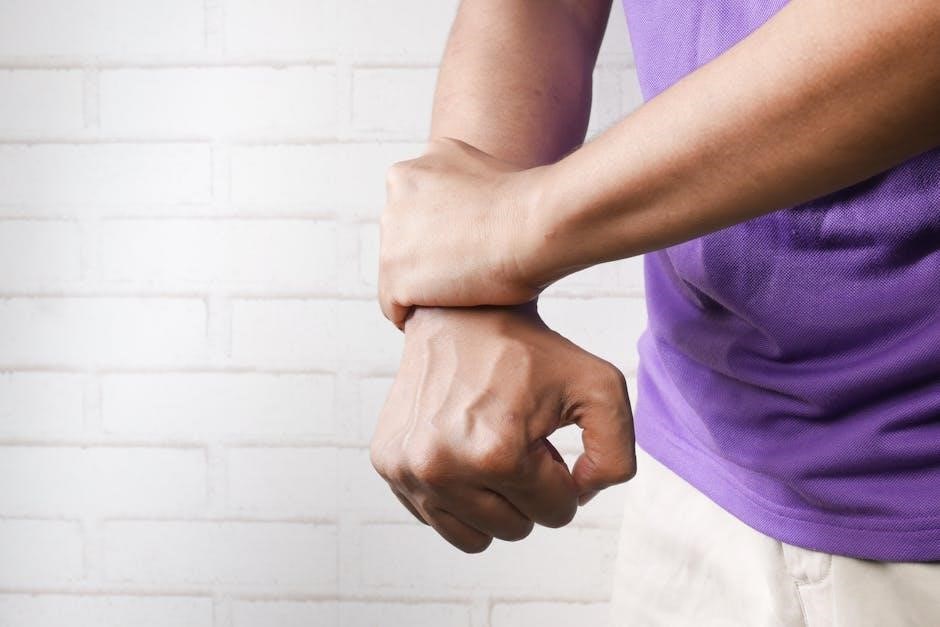
PDF resources from NHS Trusts detail exercise frequency – often multiple times daily – with specific repetitions and hold durations, as shown in guides․
Utilize your other hand for gentle assistance, following PDF instructions for optimal results and pain management․
Exercise Frequency and Repetitions
PDF guides from sources like University Hospitals Plymouth NHS Trust emphasize consistent performance of trigger thumb exercises for optimal results․ Generally, these exercises should be completed several times throughout the day – often recommended as performing them “times a day,” as specified in patient leaflets․
Regarding repetitions, the PDF documents suggest performing each movement for a defined number of repetitions, varying based on individual needs and pain levels․ It’s crucial to adhere to the recommended repetition count to avoid overexertion or insufficient benefit․ The exact number of repetitions is detailed within the downloadable PDF resources, ensuring a tailored approach to rehabilitation․ Consistency is key, and following the prescribed frequency and repetitions will maximize the effectiveness of the exercise program․
Holding Positions and Duration
PDF resources, such as those from University Hospitals Plymouth NHS Trust, detail the importance of holding each exercise position for a specific duration to maximize therapeutic benefit․ Patient information leaflets commonly advise holding each position for a set number of seconds, ensuring adequate stretch and engagement of the affected tendons․
The recommended duration varies depending on the specific exercise and individual tolerance, but generally falls within a range specified in the downloadable PDF guides․ Maintaining the hold allows for sustained tension, promoting flexibility and reducing locking․ It’s vital to adhere to these guidelines to avoid discomfort and optimize the effectiveness of the trigger thumb exercise program, as outlined in the PDF materials․
Using Assistance with the Other Hand
PDF guides from sources like University Hospitals Plymouth NHS Trust frequently recommend utilizing the unaffected hand to assist with trigger thumb exercises; This technique, detailed in patient information leaflets, provides gentle guidance and support during movements, particularly when range of motion is limited․
Specifically, the PDFs often instruct using the opposite hand to gently hold the thumb just below the top joint, facilitating controlled extension or flexion․ This assisted approach helps overcome initial resistance and encourages a fuller, more comfortable range of motion․ It’s crucial to apply only gentle pressure, avoiding forceful manipulation, as illustrated in the downloadable PDF exercise protocols․
Self-Care Techniques
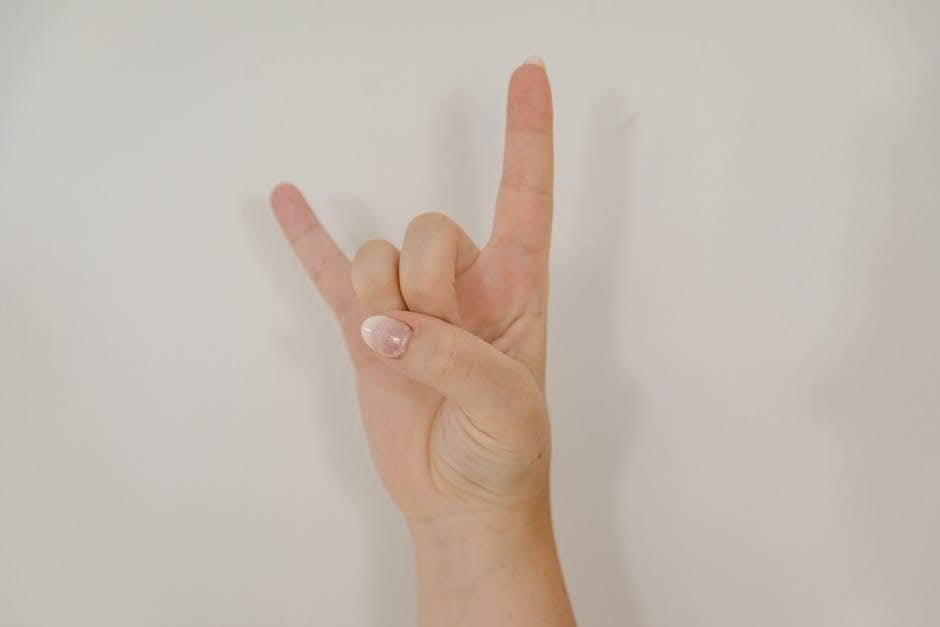
PDF patient guides suggest massage and avoiding aggravating activities for relief; consistent exercise, detailed in downloadable leaflets, complements these self-care methods․
Massage for Trigger Thumb
Massage can be a beneficial self-care technique for trigger thumb, complementing the exercise protocols detailed in PDF patient information leaflets․ Gentle massage focuses on the base of the affected thumb and palm, aiming to loosen the tendon and reduce inflammation․
Circular motions and gentle stretching during massage can improve tendon gliding, as illustrated in resources from University Hospitals Plymouth NHS Trust․ PDF guides recommend applying moderate pressure, avoiding pain, and performing massage several times daily․ Combining massage with prescribed exercises, found within the PDF documents, maximizes relief and restores thumb function․ Remember to consult a healthcare professional for personalized advice․
Avoiding Aggravating Activities
Alongside exercise regimens detailed in PDF patient guides, minimizing activities that worsen trigger thumb is crucial for recovery․ These PDF resources from sources like University Hospitals Plymouth NHS Trust emphasize identifying and modifying movements causing pain or locking;
Avoid prolonged gripping, repetitive thumb motions, and forceful use of the hand․ Consider ergonomic adjustments to reduce strain during daily tasks․ Temporary splinting, as described in PDF leaflets, can further protect the thumb․ Combining activity modification with consistent exercise, as outlined in the PDFs, promotes healing and prevents symptom recurrence․ Listen to your body and prioritize rest․

When to Seek Professional Help
PDF patient guides suggest consulting a doctor if pain persists despite exercises, locking worsens, or range of motion decreases; professional evaluation is key․
Persistent Pain and Locking
Despite diligently performing exercises outlined in PDF patient information leaflets – such as those from University Hospitals Plymouth NHS Trust – if your thumb pain doesn’t subside, or even intensifies, seeking professional medical advice is crucial․
Similarly, if the locking sensation becomes more frequent, severe, or prevents you from fully straightening or bending your thumb, don’t delay consulting a healthcare provider․ PDF resources emphasize that continued, worsening symptoms despite consistent exercise indicate a need for further evaluation․
Ignoring persistent pain and locking could lead to chronic issues, so proactive intervention is recommended․ A doctor can accurately diagnose the severity and recommend appropriate treatment options beyond self-management exercises detailed in available PDF guides․
Decreased Range of Motion
If, after consistently following the exercise protocols detailed in PDF patient guides – like those provided by University Hospitals Plymouth NHS Trust – you notice a significant reduction in your thumb’s ability to move freely, it’s a warning sign․
A noticeable inability to fully extend or flex your thumb, even with gentle exercises outlined in the PDF resources, warrants a medical evaluation․ This diminished range of motion suggests the condition may be progressing beyond what self-treatment can address․
Don’t attempt to force movement beyond your comfortable limit, as this could exacerbate the problem․ Seek professional guidance to determine the underlying cause and explore alternative treatment options beyond the exercises found in the PDF documents․

Surgical Intervention (If Necessary)
Post-operative rehabilitation, guided by PDF resources, focuses on regaining thumb function through targeted exercises after surgical release of the constricted tendon․
Surgical Procedure Overview
Surgical intervention for trigger thumb typically involves a minimally invasive procedure to release the constricted tendon within the thumb’s sheath․ This is often performed as an outpatient procedure, utilizing a small incision at the base of the thumb․ The goal is to widen the tendon tunnel, allowing for smoother gliding of the tendon․
Post-operative care, detailed in PDF patient guides from sources like University Hospitals Plymouth NHS Trust, is crucial․ These guides emphasize the importance of early, gentle range-of-motion exercises․ While immediate strenuous activity is restricted, specific exercises, often outlined in downloadable PDFs, are initiated to prevent stiffness and promote healing․ The surgical approach aims to restore pain-free thumb movement, and adherence to the rehabilitation plan is key to a successful outcome․
Post-Operative Rehabilitation
Post-operative rehabilitation following trigger thumb surgery focuses on gradually restoring thumb function․ PDF resources, such as those from University Hospitals Plymouth NHS Trust, provide detailed exercise protocols․ Initial phases involve gentle range-of-motion exercises, often starting within days of surgery, to prevent stiffness․
These PDF guides typically outline progressive exercises, including tendon gliding and thumb extension/flexion, performed multiple times daily․ Exercise frequency and repetitions are carefully prescribed․ As healing progresses, strengthening exercises are introduced․ Consistent adherence to the prescribed exercise regimen, as detailed in the PDF, is vital for optimal recovery and regaining full thumb functionality․
Preventative Measures
PDF guides suggest ergonomic adjustments and proper hand positioning to minimize strain․ Consistent exercises, detailed in downloadable resources, maintain tendon flexibility and prevent recurrence․
Ergonomic Considerations
Ergonomic adjustments are crucial in preventing trigger thumb, as detailed in PDF patient information leaflets from sources like University Hospitals Plymouth NHS Trust․ These resources emphasize minimizing repetitive gripping and forceful movements․
Consider modifying work or home setups to reduce strain on the thumb and hand․ Proper tool selection, ensuring comfortable handles, is also recommended․ Maintaining a neutral wrist position during activities can significantly decrease stress on the tendons․
PDF guides often highlight the importance of taking frequent breaks to rest the hand and perform gentle exercises, promoting circulation and preventing stiffness․ Addressing ergonomic factors proactively can complement exercise protocols and reduce the risk of symptom aggravation․
Proper Hand Positioning
PDF resources, such as patient guides from University Hospitals Plymouth NHS Trust, stress the importance of neutral hand positioning to alleviate trigger thumb symptoms․ Avoid extreme wrist flexion or extension during daily activities․
When gripping objects, ensure a relaxed hand posture, avoiding excessive force․ Proper positioning minimizes strain on the thumb tendons, complementing exercise regimens detailed in downloadable PDFs․
Maintaining a balanced grip, distributing force evenly across the hand, is also crucial․ PDF leaflets often illustrate optimal hand positions for common tasks․ Correct positioning, alongside consistent exercises, promotes tendon health and reduces the risk of locking or catching sensations․

Resources for Further Information (PDF Downloads)
PDF leaflets from University Hospitals Plymouth NHS Trust and patient guides offer detailed exercise protocols for trigger thumb management and self-care techniques․
University Hospitals Plymouth NHS Trust Leaflets
University Hospitals Plymouth NHS Trust provides valuable PDF resources specifically designed for patients managing trigger thumb․ These leaflets detail a series of exercises intended to improve thumb function and reduce discomfort․ The documents emphasize performing exercises multiple times daily, with specific repetition counts and holding durations for optimal benefit․
Notably, the guidance includes utilizing the unaffected hand to gently assist and support the affected thumb during exercises, ensuring proper form and minimizing strain․ The leaflets clearly outline techniques for gentle stretching, thumb extension, flexion, and tendon gliding, all crucial for regaining a full range of motion․ Accessing these PDFs offers a structured approach to self-management, complementing professional medical advice․
Patient Guides to Trigger Finger and Thumb
Patient guides, often available as PDF downloads, comprehensively address trigger thumb, detailing its causes and treatment options․ These resources highlight the importance of consistent exercise to alleviate symptoms and improve thumb flexibility․ They emphasize that targeted stretches, like fingertip bends, are essential components of self-care․
The guides often include specific exercise protocols, outlining frequency, repetitions, and holding times․ They may also demonstrate proper form, sometimes advising the use of the unaffected hand for gentle assistance․ These PDFs serve as valuable tools, empowering patients to actively participate in their recovery and manage their condition effectively, alongside professional medical guidance․