Somatic practice blends gentle movement with mindful awareness, inviting practitioners to explore internal sensations rather than external form. Emerging from body‑mind research, it offers a calm to ‑ intensity trends, helping reduce stress and enhance bodily awareness .
What Is Somatic Yoga?
Somatic yoga is a mindful movement practice that prioritizes internal bodily awareness over external form. Rooted in body‑mind research, it invites practitioners to notice subtle sensations, breathing rhythms, and the nervous system’s response to gentle postures. The approach is often described as “extremely gentle,” encouraging a calm, meditative experience rather than a high‑intensity workout. By listening to the body’s signals, participants can release tension, improve posture, and cultivate a deeper sense of self‑compassion. Somatic yoga also aligns with contemporary wellness trends that emphasize mental health, stress reduction, and holistic well‑being. Many practitioners use printable PDF pose guides to structure their practice, ensuring they stay grounded in sensory awareness while exploring a variety of gentle movements. These PDFs provide clear illustrations, step‑by‑step instructions, and tips for maintaining proper alignment, making somatic yoga accessible to beginners and seasoned practitioners alike. Somatic yoga draws inspiration from the work of pioneers such as Thomas Hanna, who developed the concept of “body awareness training,” and from the principles of somatic education that emphasize proprioception and interoception. The practice encourages a non‑judgmental stance toward bodily sensations, fostering a therapeutic relationship with oneself. In modern practice, instructors often incorporate guided breathwork, gentle stretching, and mindful listening to the body’s cues. When accessing PDF pose libraries, practitioners can customize their routine by selecting poses that target specific areas of tension, such as the neck, shoulders, or lower back, and by adjusting the duration of each pose to suit their individual needs. Because the PDFs are downloadable, they can be printed in various sizes, allowing users to keep the guide at hand during home practice or to carry a compact version to a studio. The visual layout often includes color‑coded cues and gentle reminders to breathe, ensuring that the mind remains focused on the present moment. By integrating these printable resources, students can track progress over time, noting changes in ease and awareness, which reinforces the therapeutic benefits of somatic yoga. The result is a practice that can be adapted to any fitness level, making it suitable for people with chronic pain, stress‑related tension, or those simply seeking a more contemplative form of movement. Overall, somatic yoga offers a balanced path that nurtures both body and mind, fostering resilience and inner calm in today’s fast‑paced world.
History and Evolution of Somatic Yoga
Somatic yoga’s roots trace back to early 20‑century body‑mind research, notably the work of Thomas Hanna, who introduced “body awareness training” in the 1970s. Hanna’s method emphasized proprioceptive feedback and gentle movement to release chronic tension, laying groundwork for what would later be termed somatic yoga. In the 1980s, pioneers such as F. M. G. and B; R. expanded these ideas, integrating them with traditional yoga postures to create a hybrid practice that prioritized internal sensation over external form. By the 1990s, the movement gained traction within holistic health circles, as practitioners sought alternatives to high‑intensity fitness trends. The early 2000s saw the rise of online communities and downloadable PDF pose guides, democratizing access to somatic sequences and allowing individuals to practice at home with guided instruction. In recent years, somatic yoga has been embraced by clinicians and therapists, who incorporate it into treatment plans for chronic pain, anxiety, and stress‑related disorders. Contemporary instructors blend breathwork, mindfulness, and gentle stretching, often using printable pose libraries to structure sessions. The evolution continues as research explores neuroplasticity and the nervous system’s response to somatic movement, reinforcing the practice’s therapeutic potential. Today, somatic yoga stands as a bridge between ancient yogic philosophy and modern body‑mind science, offering a gentle, accessible path for those seeking deeper bodily awareness and holistic healing. Looking ahead, emerging technologies such as biofeedback and virtual reality are being explored to enhance somatic awareness, while community‑driven platforms continue to share updated pose libraries in PDF format, ensuring the practice remains dynamic and responsive to evolving wellness needs. practice
Benefits of Practicing Somatic Yoga
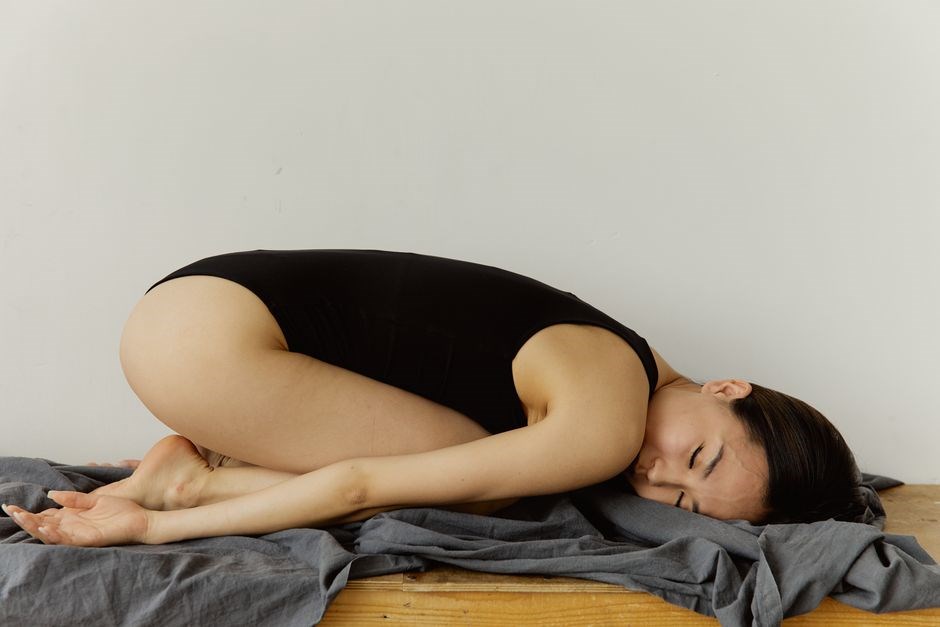
Somatic yoga enhances body awareness, reduces stress, improves posture, and eases chronic pain. By focusing on gentle movement and breath, it balances the nervous system, boosts circulation, and cultivates mental clarity, making it ideal for wellnesstoday seekers.
Physical Health Benefits
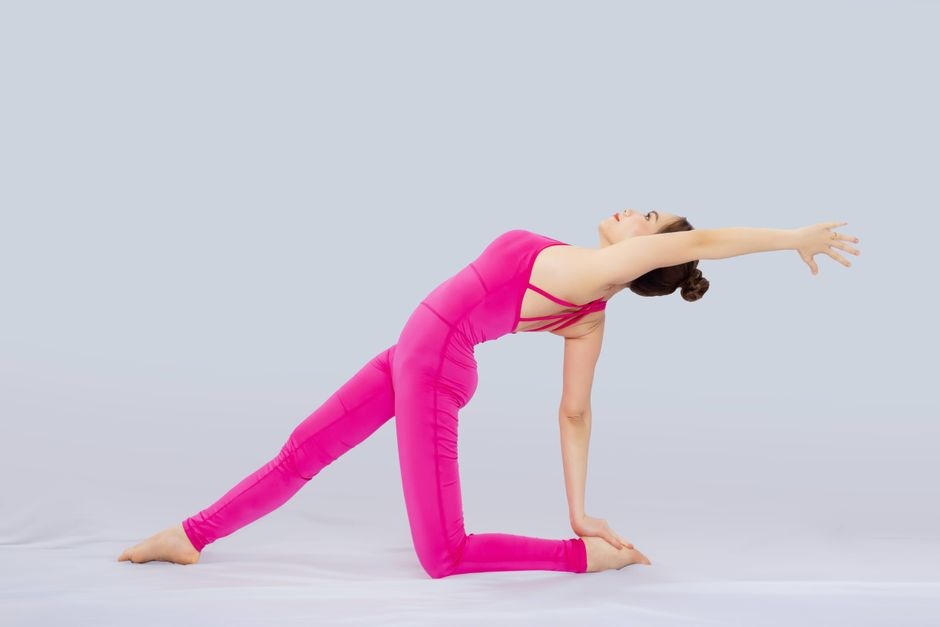
Somatic yoga’s gentle, sensorimotor approach strengthens core stability, improves joint mobility, and promotes muscular balance. By engaging proprioceptive pathways, the practice reduces compensatory tension in the neck, shoulders, and lower back, easing chronic pain conditions such as tension headaches, cervicogenic migraines, and lower‑back strain. The slow, mindful transitions between postures stimulate the vagus nerve, enhancing parasympathetic tone and lowering heart rate. This autonomic shift supports cardiovascular health, improves blood pressure regulation, and boosts circulation to extremities. Regular sessions also increase diaphragmatic depth, expanding lung capacity, and fostering efficient oxygen exchange. As the body’s connective tissues are mobilized through controlled stretching, collagen remodeling is encouraged, leading to improved joint resilience and reduced risk of injury. Additionally, the practice’s emphasis on breath awareness aligns with respiratory training, strengthening intercostal muscles and enhancing thoracic flexibility. Over time, practitioners often report heightened proprioception, allowing for more precise movement patterns in daily activities and athletic pursuits. The cumulative effect of these adaptations is a more robust musculoskeletal system, better functional mobility, and a lowered propensity for repetitive‑strain injuries. Incorporating these poses into a only cultivates physical resilience but also nurtures a mindful presence that carries over into every aspect of life.!
Mental and Emotional Benefits
Somatic yoga’s emphasis on internal sensory awareness fosters a deep connection between mind and body, cultivating present‑moment focus that reduces rumination. The slow, deliberate movements activate the parasympathetic nervous system, lowering cortisol levels and promoting relaxation. Regular practice has been shown to improve mood by increasing serotonin and dopamine pathways, providing a natural counterbalance to anxiety and depressive symptoms. By encouraging non‑judgmental observation of sensations, practitioners develop greater emotional resilience, learning to observe stressors without immediate reaction. This heightened interoceptive awareness supports better regulation of emotional arousal, leading to calmer responses in high‑pressure situations. Additionally, the rhythmic breathing patterns inherent in somatic sequences enhance mindfulness, improving cognitive clarity and decision‑making. Over time, individuals often report increased self‑compassion, reduced self‑criticism, and a stronger sense of body‑ownership, which can mitigate body‑image concerns. The practice also creates a supportive micro‑environment where individuals feel safe to explore and process unresolved emotions, fostering psychological integration. As a result, somatic yoga becomes a valuable tool for mental well‑being, offering a holistic approach that nurtures both physiological and psychological health. Practitioners often find that the gentle, mindful nature of somatic yoga creates a sustainable, long‑term pathway to inner calm and resilience, supporting overall well‑being.—————END.
Key Somatic Yoga Poses for Beginners
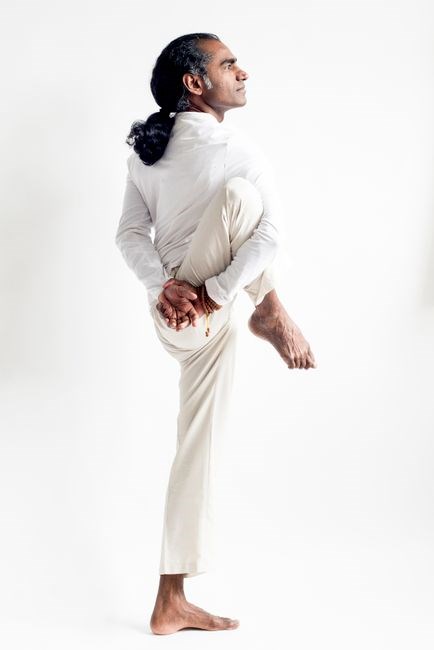
Key somatic poses for beginners combine gentle movement with mindful sensory focus. Start with Cat‑Cow, emphasizing breath and body awareness, then move to Seated Forward Fold, listening to internal cues. These poses build foundational awareness, easing stress and improving posture. Notice subtle shifts now!!!
Pose 1: Cat-Cow with Sensory Focus
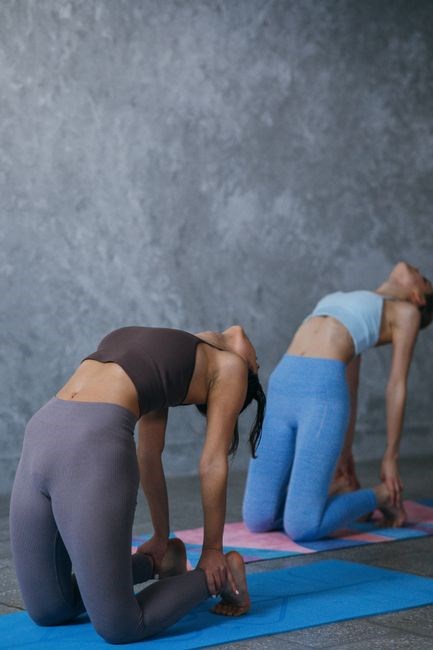
Cat‑Cow, a foundational somatic sequence, invites gentle spinal articulation while cultivating internal sensory awareness. Begin on all fours, aligning wrists under shoulders and knees under hips. Inhale, arch the spine, lift the head and tailbone—this is the “Cow” phase. Feel the expansion in the thoracic cavity, the subtle shift of the rib cage, and the gentle tug along the spine. Exhale, round the back, tuck the chin, and draw the belly toward the spine—this is the “Cat” phase. Notice the compression in the abdominal region, the gentle release in the shoulders, and the rhythmic contraction of the spinal muscles. Repeat at a slow, deliberate pace, synchronizing breath with movement. The key is to focus on internal sensations rather than external form. Use your fingertips to lightly trace the spine, feeling the subtle changes in tension and release. This sensory focus deepens proprioceptive feedback, helping to recalibrate the nervous system and reduce tension in the upper back and neck. Incorporate this pose into a daily routine, allowing the gentle flow to serve as a reset for both body and mind. For a printable PDF guide, download the PDF version of the pose diagram and step‑by‑step instructions, which include visual cues and breathing markers to support consistent practice. By integrating Cat‑Cow with sensory focus, you cultivate a mindful, body‑centered approach that supports overall well‑being. To deepen the practice, try adding a gentle pulse at the end of each cycle, holding the Cat position for a few seconds before transitioning. This pause allows the nervous system to integrate the movement. If you experience any discomfort, soften the range of motion and focus on the breath. Remember, the goal is not to achieve a perfect posture but to listen to your body’s signals. Over time, this mindful movement can improve spinal flexibility, relieve tension in the shoulders, and enhance diaphragmatic breathing. Many practitioners report increased mental clarity and reduced stress after regular sessions. For those new to somatic yoga, start with 5–10 cycles and gradually increase as comfort grows. Consistency is more important than intensity in this practice. Finally, pair the pose with a brief meditation afterward, holding a quiet awareness of the breath for 30 seconds to consolidate the benefits.
Pose 2: Seated Forward Fold with Somatic Awareness
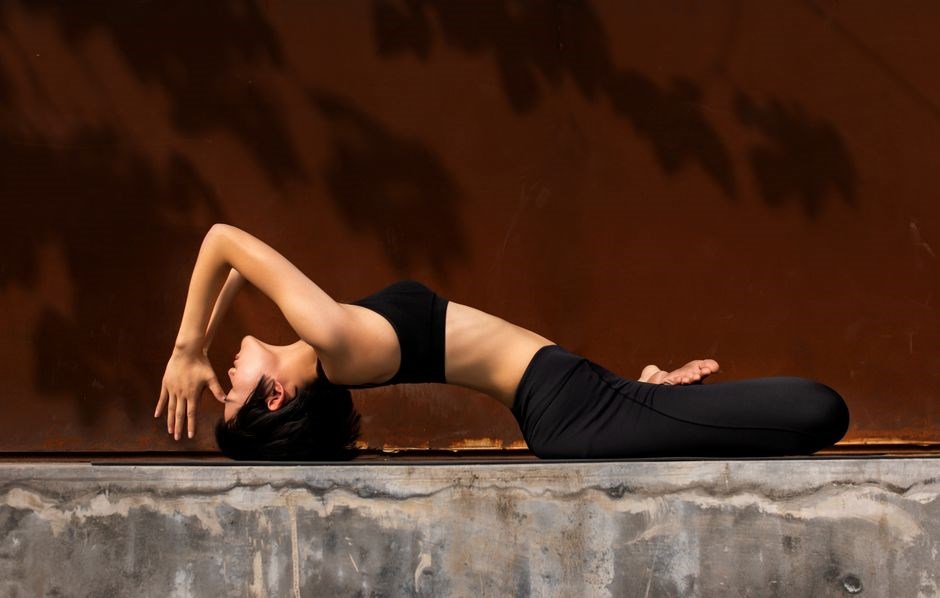
Begin seated on a cushion or mat with legs extended straight. Align the spine, keeping shoulders relaxed. Inhale deeply, lengthening the spine, then exhale slowly while hinging at the hips. Reach the hands toward the feet, allowing the elbows to bend naturally. Focus on the subtle shift of weight from the hips to the thighs, feeling the gentle stretch along the posterior chain. As you fold, bring attention to the breath, noticing how each inhale expands the chest and each exhale releases tension in the lower back. Use the fingertips to lightly trace the spine, feeling the rhythm of the vertebral column. The somatic element lies in listening to internal cues: if the stretch feels too intense, pause and adjust the angle; if it feels too mild, deepen the fold gradually. Maintain a steady, rhythmic breathing pattern, allowing the breath to guide the movement. This mindful approach helps to recalibrate the nervous system, promoting relaxation and reducing stress. After holding the fold for several breaths, gently roll back to an upright position, pausing to notice the sensations that remain. Repeating this sequence daily can improve spinal flexibility, enhance digestion, and foster a deeper connection between body and mind. Use the PDF to practice consistently, ensuring you stay mindful of internal sensations rather than external form. Remember, goal is to cultivate awareness, not to achieve a stretch. Over time, this practice can lead to increased body awareness, reduced tension in the shoulders and neck, and a calmer, more centered mind. Feel breath deeply now!.
Using PDF Resources for Somatic Yoga Practice
Access free PDFs via reputable sites like YogaJournal or MindBodyGreen. Download, save to tablet, and open in a PDF reader. Use the built‑in zoom to view pose details, and bookmark favorite sections. Print with high‑res settings for clear tactile ref. now
How to Access and Download Somatic Yoga Pose PDFs
Finding reliable PDF resources for somatic yoga poses involves a few strategic steps. First, search for reputable yoga and wellness sites that offer free downloads, such as YogaJournal, MindBodyGreen, or the official Somatic Movement Foundation. Use search terms like “somatic yoga pose PDF” or “somatic movement guide PDF.” Many sites host PDFs directly on their pages, while others provide a link to a cloud storage service (Google Drive, Dropbox, or OneDrive) that hosts the file. Once you locate the desired PDF, click the download button or link. Most browsers will prompt you to choose a location on your device; select a folder that is easy to find, such as “Documents” or “Downloads.” If the file is hosted on a cloud service, you may need to sign in or grant temporary access. After the download completes, open the PDF with a reader that supports zoom and annotation, such as Adobe Acrobat Reader, Foxit Reader, or the built‑in preview app on your device. For mobile users, apps like PDF Expert or Google PDF Viewer allow you to view, highlight, and add notes directly on the page. If you prefer a printed copy, use the “Print” option in your PDF reader and choose a resolution setting to preserve the clarity of the pose diagrams and instructions. Finally, keep a backup of the PDF in a cloud storage service or an external drive to avoid losing the file if your device fails. By following these steps, you can easily access and download high‑quality somatic yoga pose PDFs for consistent practice and reference. Remember to review alignment cues before starting w. Breathe.
Tips for Printing and Using PDFs Effectively
When printing somatic yoga pose PDFs, choose a high‑resolution printer and use at least 80 gsm paper for clarity and durability. Preview the document to ensure correct orientation; most PDFs use portrait orientation. Scale to 100 % to keep pose proportions accurate. For a compact layout, use “Fit to Page” but verify line thickness remains legible. Digitally, save the PDF in a folder named “Somatic Yoga” and create subfolders for each level (Beginner, Intermediate, Advanced). Use a consistent naming convention, such as “Somatic_PoseGuide_Beginner.pdf,” to locate files quickly. When opening the PDF on a tablet or phone, enable “Fit to Width” to read instructions without zooming. Annotate key points with the built‑in comment tool; highlight breath cues or alignment notes in a contrasting color. To share the guide, use the “Share” function to send a link or attach the file via email. For offline use, convert the PDF to PNG images with a batch converter; this lets you print each pose as a separate image with a larger margin. Keep a backup on a cloud service like Google Drive or Dropbox, and update the PDF if new poses are added. Following these steps keeps your somatic yoga reference clean, organized, and user‑friendly. Additionally, consider using a light overlay when printing on thick paper to prevent glare, and label each page with a unique identifier for quick reference during practice sessions. For quality!!!
Safety, Common Mistakes, and Further Resources
Safety in somatic yoga hinges on gentle progression, mindful breathing, and listening to bodily signals. Avoid over‑stretching; respect pain thresholds. Use supportive props, maintain neutral spine, and keep movements slow. Resources: online tutorials, certified instructors, and peer‑reviewed PDFs See more OK!!
Common Mistakes to Avoid in Somatic Yoga
Somatic yoga stresses gentle, mindful movement, yet beginners often rush poses, ignoring slow breathing that anchors the practice. Quick transitions create a “quick‑fix” mindset, preventing the nervous system from fully engaging. Focus on steady inhalation, gentle exhalation, and pause between moves.
Over‑stretching is another common error. Somatic work values subtle internal sensations over deep stretches. Pushing beyond natural limits can trigger tension or injury. A mild tingling or gentle pull signals progress, while sharp pain means release or modification is needed.
Inadequate props also sabotage progress. Cushions, blocks, or straps are essential for alignment and reducing strain. Skipping props or misusing them creates compensatory patterns that mask true tension. Set up a supportive environment before each session.
Neglecting a neutral spine and consistency are silent saboteurs. Somatic benefits accrue over time; sporadic practice yields limited results. Maintain spine alignment and establish a regular routine, even brief daily sessions, to allow the nervous system to adapt and build lasting awareness.
Finally, ignoring internal cues is a frequent mistake. Somatic practice invites listening to subtle sensations—tightness, warmth, or ease. Ignoring these signals and forcing a pose can create chronic tension. Respect the body’s feedback and adjust accordingly.
By honoring these cues, practitioners cultivate a deeper, sustainable practice.

Additional Resources and Where to Find Them
For those seeking deeper insight into somatic yoga poses, a variety of PDF guides, audio sessions, and interactive platforms are available. The most comprehensive collections can be found on dedicated wellness sites such as SomaticYogaPDF.com, which offers downloadable pose libraries that emphasize sensory focus and mindful breathing. These PDFs are organized by difficulty level, allowing beginners to start with gentle sequences and progress to more nuanced movements.
Academic institutions and research centers also publish open‑access papers and case studies. The University of Mindful Movement’s repository (umindfulmovement.edu) hosts peer‑reviewed articles that detail the neurological benefits of somatic practice, and many include supplementary PDF resources for practitioners.
For audio‑guided sessions, platforms like Insight Timer and Mindful Meditation App provide free tracks that pair visual pose diagrams with guided breathing. These tracks often link to printable PDFs, ensuring a cohesive learning experience. Additionally, the National Somatic Institute offers a subscription service granting access to a library of high‑resolution PDFs, video tutorials, and interactive workshops.
Community forums and online groups on Reddit’s r/somaticyoga and Facebook’s Somatic Movement community share user‑generated PDFs, pose modifications, and troubleshooting tips. These peer‑shared resources are invaluable for troubleshooting common challenges and discovering creative variations.

Finally, many local yoga studios now provide digital take‑away PDFs to clients. By inquiring during class or visiting the studio’s website, practitioners can download curated pose sets tailored to their specific needs. These resources, combined with the above platforms, create a robust ecosystem for continuous learning and practice.